
KOJA Blog
Have you ever looked at the ingredients list on the back of your tampon or pad packet? Do you know what each of the ingredients means or where they are derived from?
Checking the ingredients of your tampons is JUST as important as checking the ingredients in your food. There are so many hidden nasties that can make their way into the most delicate part of your bodies. Here at KOJA Health HQ we are big fans of using organic feminine hygeine products. Whilst our mission is to improve the diets of Australians through providing real food alternatives to supplements and pills, we believe this mission extends into every area of our lives. Feminine hygiene is just as important as the food you put into your mouth! Afterall you are putting tampons into your body! We’ll leave the graphic imagery there and move onto exploring what’s really in your feminine hygiene products.
If you’ve ever asked the question ‘Should I buy organic tampons?’ the answer needs to be yes. 1000 times YES!
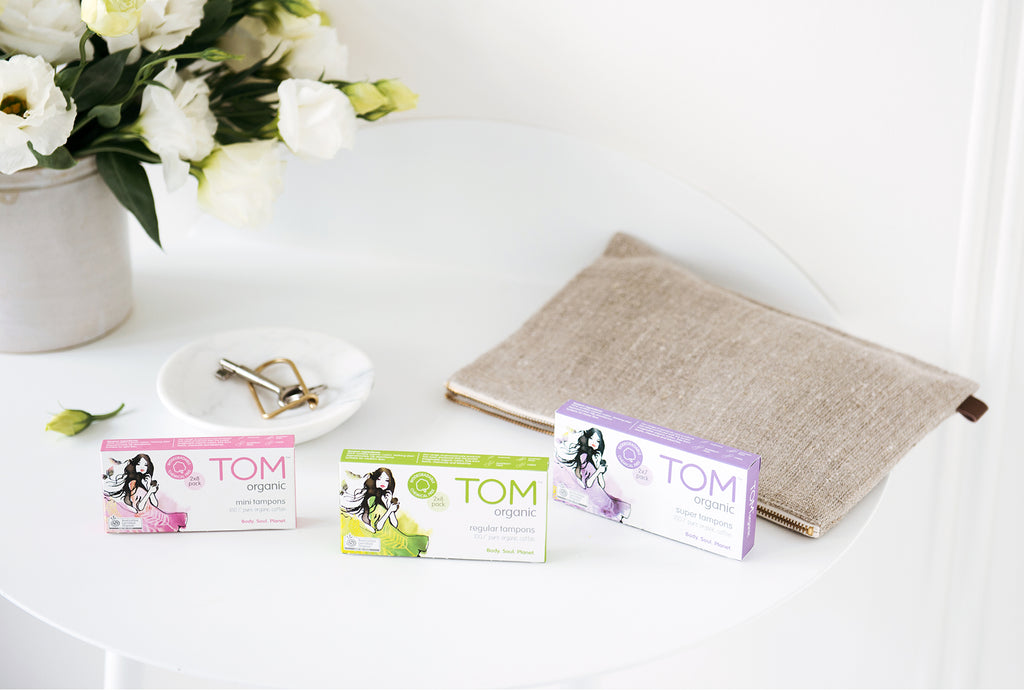
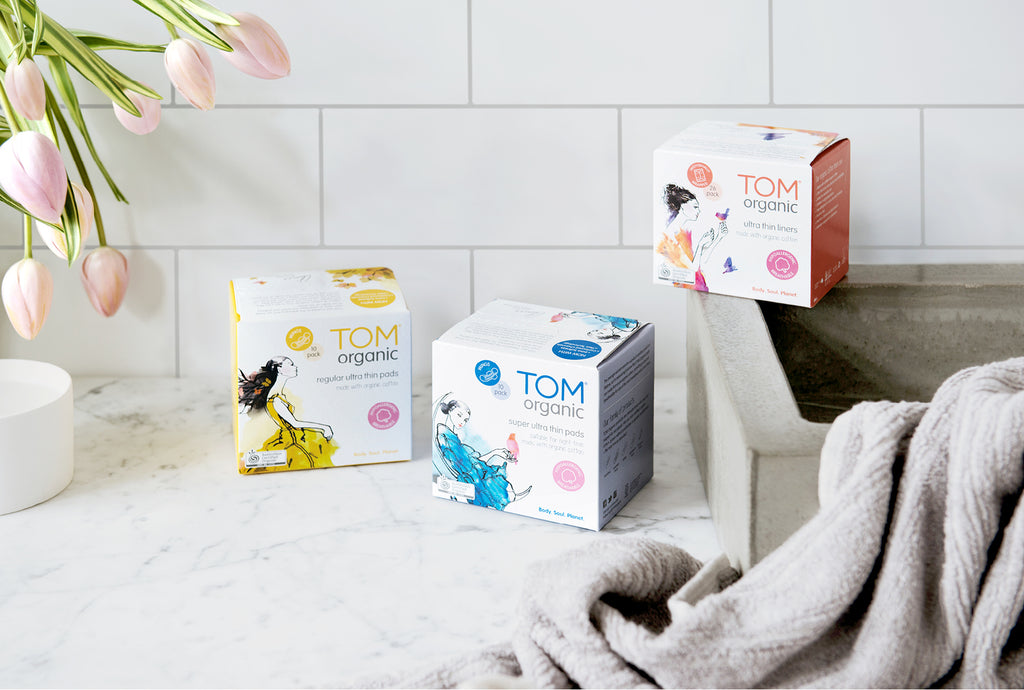
We asked our friends over at TOM Organic - a chemical free range of feminine hygiene products, to provide us with some information on what ingredients you’ll find in non-organic tampons.
What ingredients do you find in non organic tampons?
Ingredients may vary from brand to brand but here’s what’s most commonly found:
Viscose Rayon/Rayon
Rayon is derived from bleached wood pulp and is manufactured using a 14- step process that uses many chemicals. Rayon increases the absorbency of tampons, this has been linked to Toxic Shock Syndrome.
Non-Organic Cotton
Non-organic cotton is considered by many as the world’s dirtiest crop, accounting for more than 16% of the world’s total insecticide use! The US Environmental Protection Agency considered 7 of the top 15 pesticides used on cotton in the year 2000, as “possible,” “likely,” “probable,” or “known,” human carcinogens! (EPA)
Chlorine
Ever wondered what makes your tampons white? Rayon and rayon-cotton blends used in tampons are commonly bleached using either chlorine, elemental chlorine-free or totally chlorine-free bleaching methods. The byproduct of chlorine bleaching, dixion, is listed as a toxic carcinogen by the World Health Organisation. There’s also research to suggest it’s link to cancer, endometriosis, abnormal cell growth in the reproductive organs and a whole host of other nasty side effects!
Polyester
This is a synthetic fibre, made from petroleum, coal, water and air. When these substances are combined with alcohol and acid a chemical reaction takes place and you’ve got yourself some polyester. Polyester absorbs oils, rather than moisture and is used in the lining of pads, their wrappers, coatings, and the tampon applicators.
We could go on for days, but we’ll leave it there for now. Pretty horrid isn’t it? We definitely don’t want any of those nasties coming anywhere near our bodies!
Right about now you’re probably throwing out all of your non-organic tampons from your handbag and asking ‘but what can I use instead?!” This was the problem founder of TOM Organic Aimee Marks set out to solve. It was in 2005 when Aimee was given a school assignment to design packaging for a product that hadn’t changed in 10 years, she choose tampons. As she was typing out all of the ingredients below onto her new design she asked the same question you’re probably asking yourself right now ‘what is all this stuff and what is it doing in our bodies’. It was then that TOM (which stands for Time Of The Month) was born. Since establishing TOM Aimee has continued to create products that genuinely care about women’s health. We’re big fans of this kind of attitude!
So, what do you need to look for when buying tampons and pads?
If you haven’t figured it out by now, the answer is always go organic. Make sure the ingredient list is 100% certified organic cotton. Knowing what’s in your tampons is just as important as knowing what’s in your food!
Health, Nutrition Next Post Previous Post